
Workshop Lesson 03
Oils, Sprays & Fat Control
One of the biggest myths about air fryers is that they do not need oil.
That is only half true.
An air fryer does not cook by frying food in oil like a deep-fat fryer. It blasts extremely hot air around the food at high speed, cooking the surface hard while the inside comes up to temperature.
Oil is not there to cook your food. Oil is there to help your food cook better.
Used correctly, it improves colour, crispness, flavour and texture. Used badly, it creates smoke, greasy food and disappointment.
Understanding how fat works inside an air fryer is one of the biggest steps from cooking like a beginner to cooking like a pro.
What Oil Actually Does
A very light coating of oil acts as a heat conductor. It helps transfer heat evenly across the surface of your food, which means the outside browns more efficiently while the inside cooks naturally.
More importantly, it helps trigger the Maillard reaction. That sounds like science homework, but it is simply the natural browning reaction responsible for proper golden food.
It is what gives you crispy roast potatoes, golden chicken skin, crunchy chips, roasted vegetables, browned sausages and toasted breadcrumbs.
Without enough surface fat, food can cook through and still look pale, dry and miserable. It is technically cooked, but nobody is putting it on a plate with pride.
Less Is More
One of the biggest mistakes new air fryer owners make is using far too much oil.
- Chicken usually needs 1–2 teaspoons.
- A full basket of potatoes usually needs around 1 tablespoon.
- Breaded food usually needs a light mist.
- Many frozen products need no extra oil at all.
You are aiming for a light coating. Not a bath.
If oil is dripping off the food, you have used too much. The air fryer is not a deep fryer and it will not reward you for pretending otherwise.
Understanding Smoke Points
Every cooking oil has a smoke point. This is the temperature where the oil begins to break down and produce smoke.
Once an oil starts smoking, flavour suffers, aromas become bitter, the kitchen fills with smoke and cooking performance drops.
Fortunately, almost every recipe in The Lad's Air-Frying Bible sits comfortably within the working range of normal cooking oils. The trick is not chasing the highest smoke point. The trick is choosing the right oil for the job.
| Oil | Approx. Smoke Point | Best For |
|---|---|---|
| Extra Virgin Olive Oil | 190–210°C | Everyday roasting, chicken, vegetables, tray bakes |
| Rapeseed Oil | Around 220°C | Everyday air frying, chips, roasting |
| Sunflower Oil | Around 225°C | Wedges, breaded food, vegetables |
| Avocado Oil | Around 260°C | High-temperature cooking, steak, burgers, pork belly |
| Butter | Around 150°C | Finishing food after cooking, garlic butter, glazing |
Crew Rule
Do not automatically choose the oil with the highest smoke point. Choose the oil that suits the recipe. For around 90% of recipes inside The Lad's Air-Frying Bible, a good extra virgin olive oil is all you need.
Extra Virgin Olive Oil
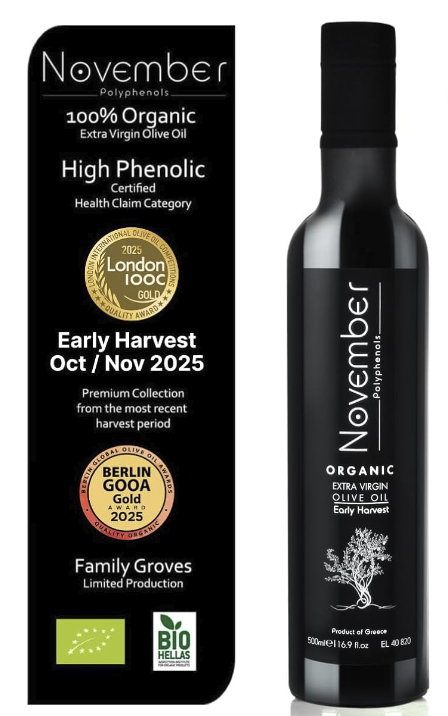
This is the Crew's everyday oil. It gives fantastic flavour, helps food brown beautifully and works perfectly with most air-fryer recipes.
It suits chicken, roast potatoes, vegetables, Mediterranean recipes, garlic bread and tray bakes. It is the bottle you reach for when you want proper flavour without overthinking it.
Despite what the internet sometimes shouts, extra virgin olive oil is absolutely fine for normal air-fryer cooking. If you are cooking most recipes around 180–200°C, it earns its place.
Avocado Oil
Avocado oil is built for heat. Its high smoke point makes it ideal for recipes cooked right at the upper end of an air fryer's temperature range.
Use it for steak, burgers, pork belly, wings and high-temperature roasting. It is the oil for the hotter jobs where you want strong browning without the oil giving up halfway through.
It is not the cheapest bottle on the shelf, so do not waste it where normal olive oil would do. Use it where the heat justifies it.
Rapeseed Oil
Rapeseed oil is one of the best all-round cooking oils available. It is neutral, affordable and handles heat well.
It is excellent for chips, wedges, roasted vegetables and everyday cooking where you want the seasoning to do all the talking.
If olive oil brings flavour, rapeseed brings reliability. Not glamorous, but very useful. Like a good socket set.
Sunflower Oil
Simple. Reliable. Affordable.
Sunflower oil has been used in kitchens for decades because it simply works. It is particularly good for chips, breaded chicken, potato wedges and roasted vegetables.
It has a neutral flavour, so it will not fight your Cajun seasoning, garlic granules, smoked paprika or curry spices. It just helps the food brown and stays out of the way.
Butter
Butter deserves its own place in every air fryer kitchen. Not because it is the best cooking fat, but because it is one of the best finishing ingredients you will ever use.
Butter has a relatively low smoke point, which means it can burn quickly at very high temperatures. That is why you rarely see us brushing melted butter onto food before a long, hot air fry.
Instead, let the air fryer do the cooking first. Then finish the dish with butter.
Freshly melted butter transforms garlic mushrooms, corn on the cob, Chicken Kyiv, garlic butter chicken, loaded potatoes, steak, roast vegetables and fresh bread.
Mix butter with garlic, parsley, rosemary or smoked paprika and you instantly create a proper finishing sauce in seconds. Sometimes the smallest finishing touch makes the biggest difference.
Oil Sprays
One of the easiest upgrades you can make is moving away from pouring oil straight from the bottle.
A refillable oil sprayer gives a fine, even mist that coats food properly without wasting oil. That means better browning, better crispness, less waste, more consistent results and better control over portion size.
It also lets you use whichever oil suits the recipe instead of relying on whatever happens to be inside a supermarket aerosol can.
Aerosol Sprays
Some commercial aerosol sprays contain propellants and additives that can leave residue on certain non-stick coatings over time.
That is why the Crew prefers a refillable sprayer. You choose the oil. You control the amount. The fryer basket does not end up wearing a strange sticky coating that refuses to leave.
Why Food Does Not Crisp
If food is not crisping properly, the oil usually is not the only problem.
- Too much oil can make food greasy.
- Too little oil can leave food pale.
- Overcrowding blocks airflow.
- Wet food steams instead of crisps.
- Low temperature gives weak colour.
Air fryers crisp because of moving hot air. Oil simply helps that process happen more efficiently.
Fat Carries Flavour
Oil is not just about crispness. It is one of the biggest flavour carriers in cooking.
Mixing spices with oil before cooking helps distribute seasoning evenly over the food. That is why recipes throughout this site often combine olive oil with garlic, smoked paprika, Cajun seasoning, Italian herbs, peri-peri seasoning or curry spices.
That small amount of oil helps the spices bloom properly during cooking instead of sitting on the surface like dusty regret.
When You Do Not Need Extra Oil
Some foods already contain enough natural fat.
- Chicken wings
- Pork belly
- Fatty sausages
- Duck
- Well-marinated meats
Adding extra oil rarely improves them. Quite often, it just creates extra smoke.
The Crew Uses
These are the oils and tools the Crew uses across the workshop and recipe archive. The point is not owning every bottle on earth. The point is knowing which one belongs to which job.
The Crew Uses
Premium Extra Virgin Olive Oil
Perfect for everyday air frying and the oil you will see used throughout most recipes in the workshop.
Grab Yours On Amazon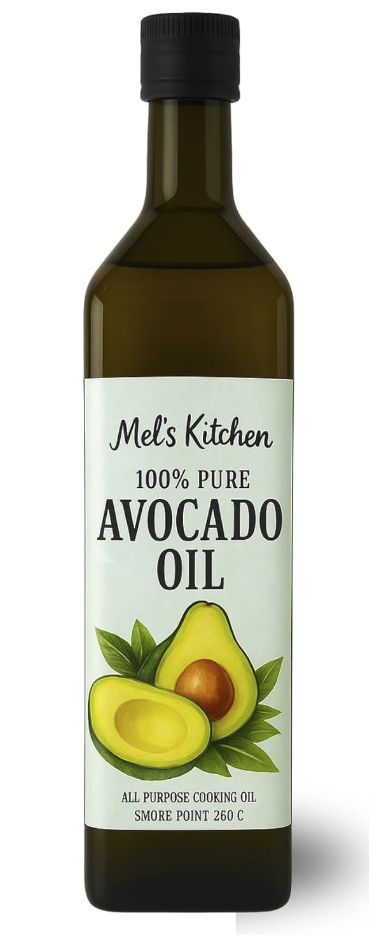
High Heat Pick
Pure Avocado Oil
Ideal when you are cooking at maximum heat and want strong browning on steak, burgers, pork belly or wings.
Grab Yours On Amazon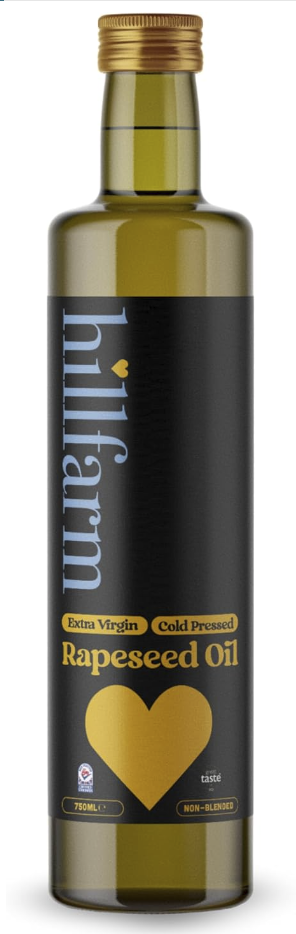
Everyday Neutral Oil
Cold Pressed Rapeseed Oil
Our go-to neutral oil when we want the seasoning to do the talking instead of the oil.
Grab Yours On Amazon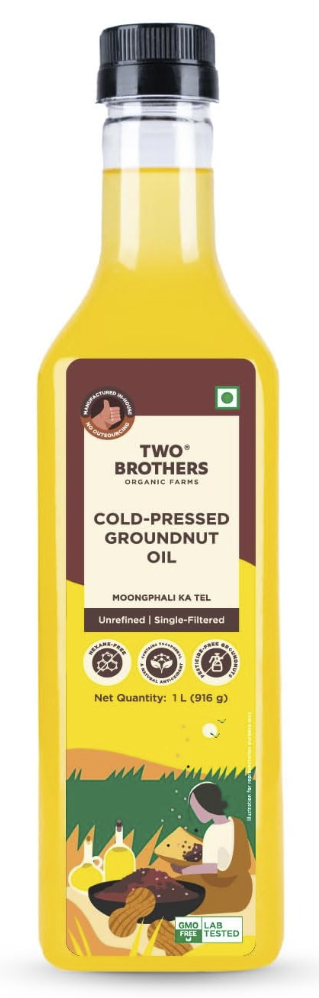
Crisping Staple
Premium Sunflower Oil
A dependable option for chips, wedges, breaded chicken and roasted vegetables when you want clean, neutral crisping.
Grab Yours On Amazon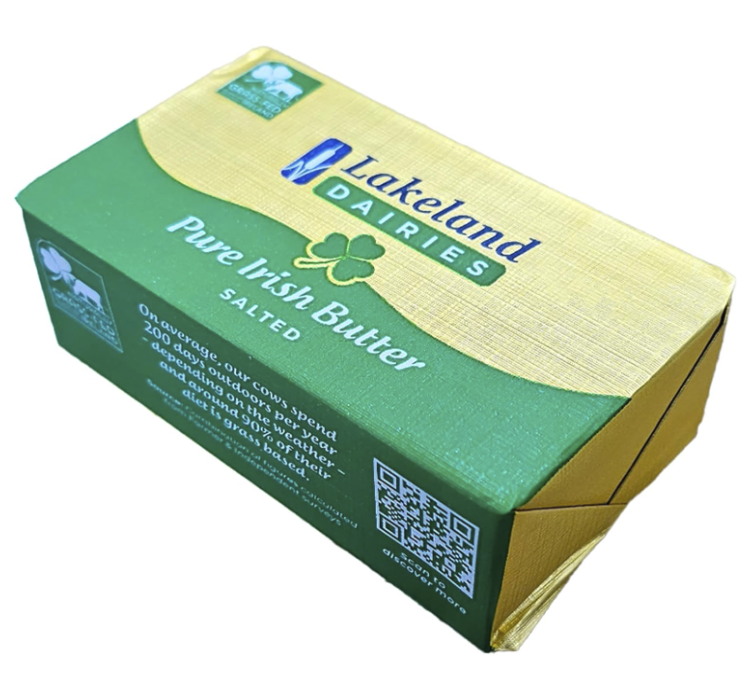
Finishing Essential
Salted Butter
Perfect for garlic butter, finishing sauces, vegetables, Chicken Kyiv, corn and adding rich flavour after cooking.
Grab Yours On Amazon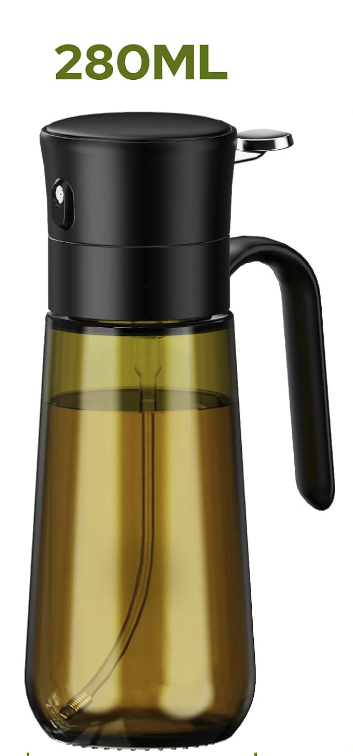
Control Tool
Refillable Glass Oil Sprayer
The easiest way to apply the perfect amount of oil without drowning the food or wasting half the bottle.
Grab Yours On AmazonKey Takeaway
The best air-fried food is not the food with the most oil. It is the food with the right oil.
Choose the correct oil for the recipe. Use only what you need. Respect the heat. Then let the airflow — not excessive fat — do the hard work.