
Workshop Lesson 01
Tin Foil, Liners & Steam Control
The air fryer cooks differently to a conventional oven.
Instead of surrounding food with gentle heat, it blasts fast-moving hot air around everything inside the basket. That is brilliant for chips, chicken wings and roast potatoes, but it is also why certain foods dry out, make a mess or simply do not cook as well as they could.
Learning when to use foil, liners and proper dishes is one of the biggest steps from cooking like a beginner to cooking like a pro.
Most people either never use them, or use them for absolutely everything. Both are wrong.
The Simple Rule
Use foil when food needs moisture, protection or controlled steam.
Use paper liners when mess control matters more than maximum airflow.
Use silicone liners when you want reusable everyday convenience.
Use foil trays, ramekins and proper dishes when the recipe contains sauce, cheese, cream, stock or anything that needs holding together.
That rule alone stops most air-fryer disasters before they start.
What Foil Actually Does
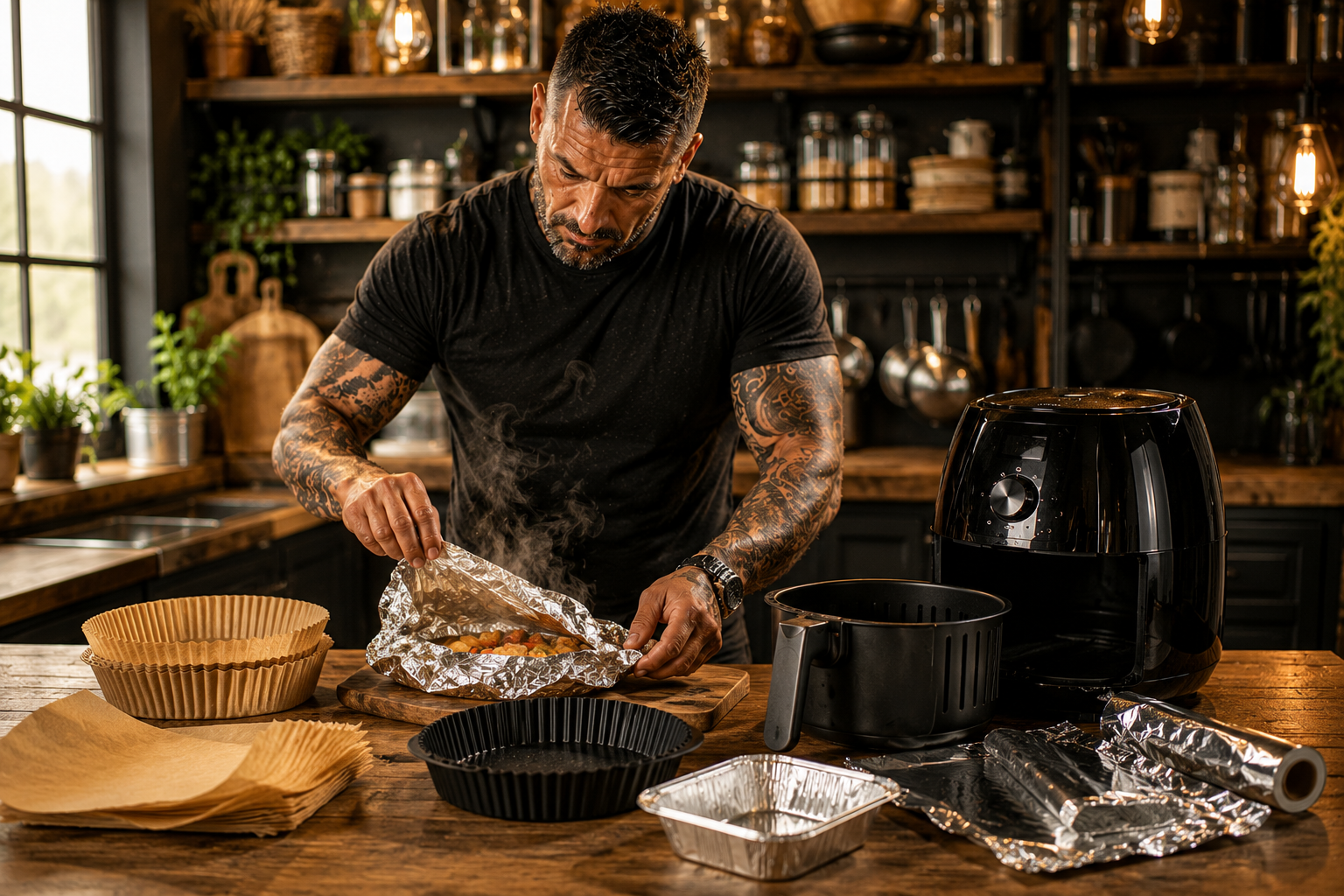
Heavy-duty foil is one of the most useful tools you will ever own in an air-fryer kitchen. Used properly, it helps lock moisture into chicken, protect delicate fish, stop cheese burning, prevent sugary sauces from carbonising, create foil parcels, build quick roasting trays and reduce cleaning time dramatically.
The important word is properly. Foil is not there to suffocate the food. It is there to control the blast of heat and steam so the food cooks the way you want it to.
Never completely seal food airtight inside an air fryer. You are not pressure cooking. You are not building a steam bomb. You are simply giving the food a bit of protection while the machine does its job.
The foil should sit loosely enough for steam to escape and air to move. If it is flapping up toward the element, tuck it down. If it is sealed tighter than evidence in a police bag, loosen it. Common sense, lads.
The Steam Question
Steam is not the enemy. Uncontrolled steam is the enemy.
When food cooks, moisture leaves the surface. In a normal oven, that happens fairly gently. In an air fryer, the fan strips moisture away fast. That is brilliant for crisp chips and wings, but rough on fish, creamy dishes, rice trays and anything with cheese on top.
Foil slows that moisture loss down. It creates a small humid pocket around the food, helping the inside cook before the surface dries out or burns.
But too much trapped steam stops crisping. That is why foil works best as a first-stage tool. Protect early, uncover later, finish hard. That is the Crew method.
When To Use Tin Foil
Use foil when the food needs protection, moisture or gentle heat before colour.
- Chicken thighs or breasts that dry out easily
- Fish fillets and seafood parcels
- Cheese-heavy bakes
- Sticky glazes that could burn early
- Rice dishes and pasta pots
- Creamy sauces
- Loaded trays that need the middle heating through
- Leftovers that need reheating without drying out
The Crew rule is simple: if the food is delicate, saucy, cheesy or thick, foil probably helps at the start.
When Not To Use Tin Foil
Do not use foil when airflow is the whole point.
- Chips
- Wedges
- Breaded chicken
- Wings that need crisp skin
- Pork belly crackling
- Pastry tops
- Garlic bread
- Anything you want properly crunchy
If you cover food that needs crunch, you are trapping steam exactly where you do not want it. That is how crispy food turns pale, soft and emotionally disappointing.
Paper Liners
Paper liners are not there to improve cooking. They are there to save cleaning.
They are brilliant for wings, sausages, burgers, bacon, pastries, sticky glazes and everyday cooking where grease and sauce would otherwise weld itself to the basket.
The airflow still works because the sides remain open, but liners do slightly reduce direct contact with the basket. That means you may lose a little crispness compared with cooking straight on the metal grate.
The safety rule is non-negotiable: never put a paper liner into a preheating empty fryer. The fan can lift it into the heating element. Always weigh it down with food. An empty paper liner in a hot air fryer is basically a tiny flying fire risk with confidence issues.
Silicone Liners
Silicone liners are reusable, easy to clean and good for everyday cooking. They save money over time and work well for chicken, vegetables, sausages, meal prep and general weeknight dinners.
They do reduce airflow more than paper liners because the base is thicker and the sides are higher. That is not a problem if you understand what you are trading.
Use silicone liners when convenience matters more than maximum crunch. Do not expect them to behave exactly like a bare basket. They are brilliant for keeping the fryer clean, not for producing competition-level chips.
Foil Trays
Foil trays completely change what an air fryer can cook.
Without trays, you are mostly cooking loose food in a basket. With trays, suddenly you can make pasta bakes, curry pots, cottage pie, lasagne, garlic butter dishes, creamy sauces, desserts, meal prep and proper family dinners.
Almost half the recipes inside The Lad's Air-Frying Bible rely on foil trays for a reason. They hold sauce, protect ingredients, make serving easier and stop the bottom of your fryer looking like a crime scene.
The trick is choosing trays that actually fit the basket while leaving space around the sides for air to move. A tray that blocks the entire drawer turns your air fryer into a badly ventilated lunchbox.
Oven-Safe Dishes
Sometimes foil is not the best option. Glass and ceramic dishes retain heat better and are perfect for creamy dishes, baked pasta, desserts, bread pudding, potato bakes and anything that needs steady heat.
Unlike foil, proper dishes do not flex when you lift heavier meals. That matters when you are pulling out bubbling cheese, cream sauce or a ramekin full of something hotter than the surface of the sun.
Always check the dish is oven-safe, fits properly and does not touch the heating element. Leave space around it. The fryer still needs to breathe.
Silicone Tongs
One small tool. Huge difference.
Silicone-tipped tongs let you turn food safely, remove foil trays, lift ramekins, move hot liners and protect the basket coating.
Metal utensils eventually damage non-stick coatings. Once that coating starts getting scratched, food sticks more, cleaning gets worse, and your fryer slowly turns into something found in a student flat in 2009.
Use silicone. Your basket will last longer.
Steam Control In Real Cooking
This is where the lesson comes together.
Too much airflow dries food out. Too much trapped moisture stops food crisping. The trick is controlling steam, not eliminating it.
Use foil when you want moisture. Use liners when you want less mess. Use trays when the food needs structure. Use dishes when the recipe needs steady heat. Leave food uncovered when you want maximum crispness.
Once you understand that, the air fryer stops feeling random. It becomes predictable. And predictable cooking is what separates proper results from standing in the kitchen muttering at a drawer full of pale chips.
The Crew Uses
Lesson 01 is the starter kit. This is the gear that makes air-fryer cooking cleaner, easier and far more controlled. None of it is fancy. All of it earns its place.
The Crew Uses
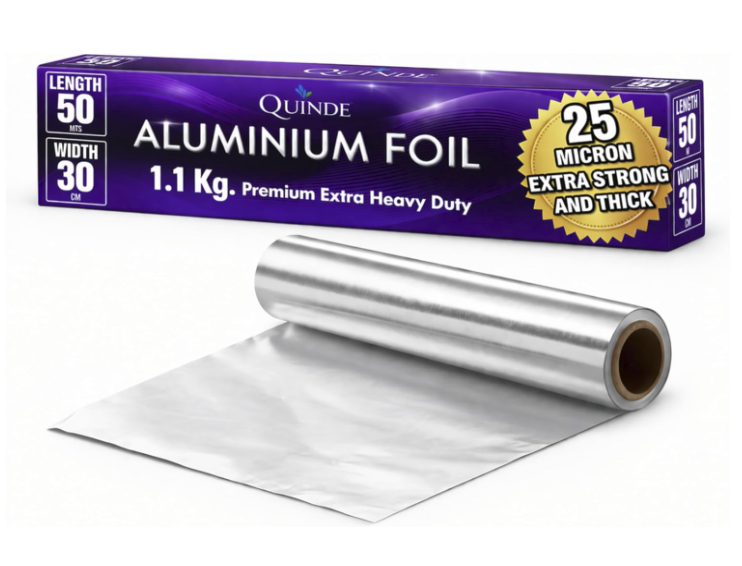
Heavy Duty Kitchen Foil
For foil parcels, loose covers, protecting cheese-heavy bakes and keeping chicken or fish from drying out. It is thicker than cheap supermarket foil, tears less easily and holds its shape properly when making trays and parcels.
Grab Yours On Amazon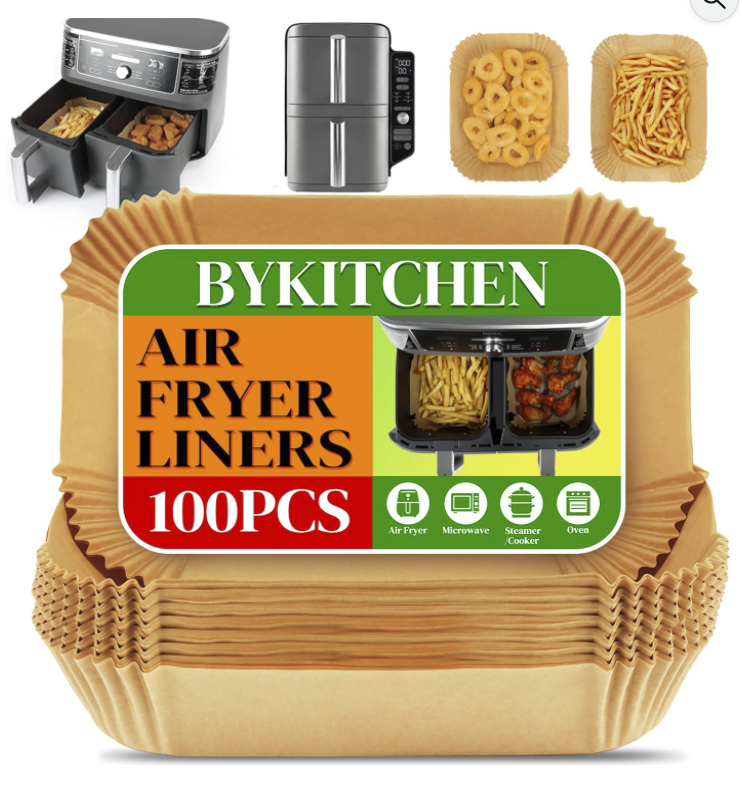
The Crew Uses
Disposable Air Fryer Paper Liners
Best for everyday cooking, sticky glazes, bacon, sausages, burgers and anything that normally leaves the basket needing a full scrub. Always weigh them down with food before switching the fryer on.
Grab Yours On Amazon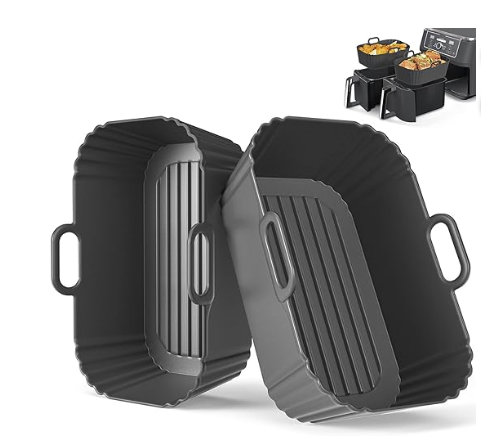
The Crew Uses
Reusable Silicone Air Fryer Liners
Ideal if you use your air fryer almost every day and want less waste than disposable liners. Best for convenience, meal prep and easy clean-up, rather than chasing the absolute crispiest possible finish.
Grab Yours On Amazon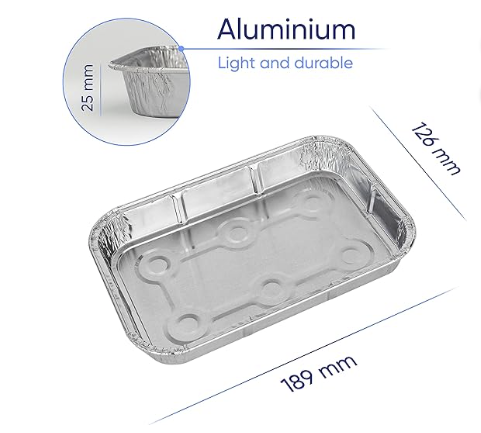
The Crew Uses
Heavy Duty Foil Trays
For pasta bakes, curry pots, creamy chicken, cottage pie, desserts, garlic butter dishes and anything saucy. They are strong enough to reuse several times and make serving far easier.
Grab Yours On Amazon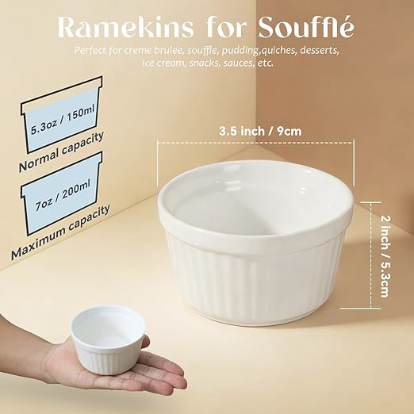
The Crew Uses
Oven-Safe Ramekins
Best for desserts, dipping sauces, individual pots, bread puddings, mini bakes and anything that needs steady heat in a smaller dish. They fit comfortably into most larger basket-style air fryers.
Grab Yours On Amazon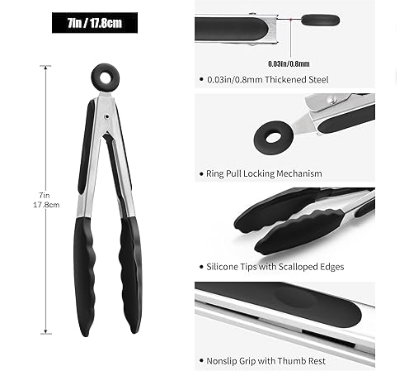
The Crew Uses
Silicone Kitchen Tongs
Simple, inexpensive and used constantly. They help turn food safely, lift hot liners, move small trays and protect the non-stick coating from getting scratched to bits.
Grab Yours On AmazonFoil for moisture. Paper liners for easy cleaning. Silicone liners for everyday cooking. Foil trays for complete meals. Ramekins and proper dishes for creamy recipes and desserts. Never preheat with an empty paper liner. Never completely seal foil parcels. Let the air circulate — the fryer still needs to breathe.
Key Takeaway
Foil protects.
Liners reduce mess.
Trays and dishes unlock proper meals.
Steam control is what stops food drying out, burning early or turning soggy. Once you understand when to cover, when to line and when to leave food exposed, your air fryer starts behaving like a proper cooking tool instead of a noisy drawer with attitude.